Your pelvic floor may be sabotaging your sex life
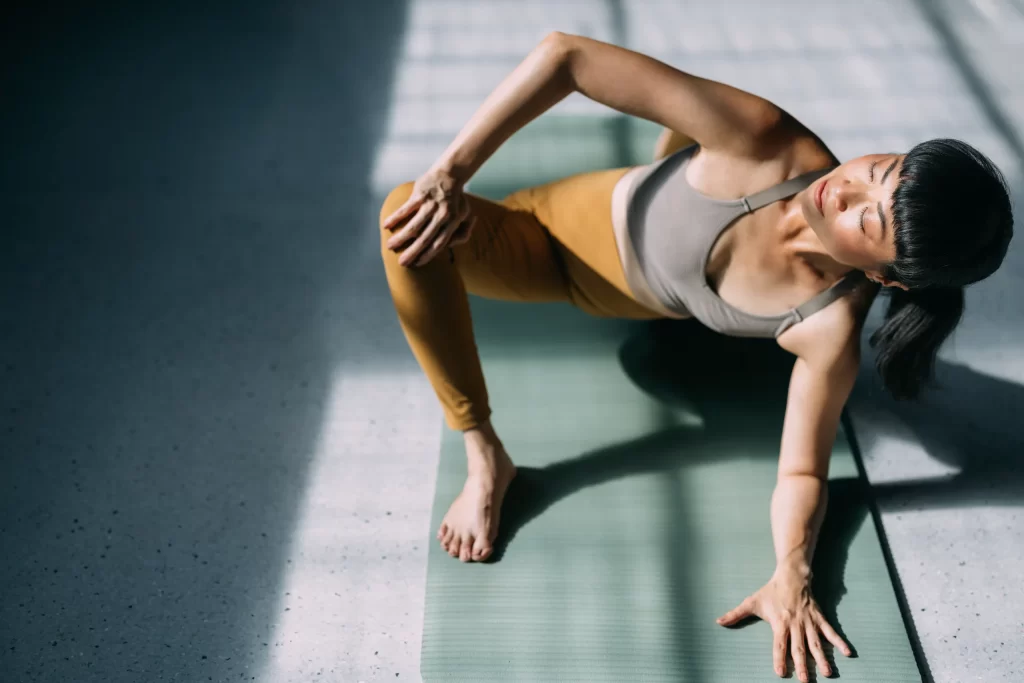
When you think of pelvic floor, most women will instinctively clench and hold. It’s something that is hard wired into our minds from a young age, but what do we really know about it’s function? And did you every think it could actually be having an effect on your sex life? Let’s break it down.
What is your pelvic floor?
The pelvic floor is a group of muscles, ligaments and connective tissue that form a supportive sling at the base of the pelvis. It spans from the pubic bone at the front to the tailbone at the back, and between the two sitting bones.
Its role is to support the bladder, uterus and bowel, assist with continence, contribute to core stability and coordinate with breathing.
How can your pelvic floor affect intimacy?
Comfort, sensation and muscular coordination – these are all aspects of intimacy in which the pelvic floor plays a key role.
“It supports the pelvic organs and works in partnership with the diaphragm, deep abdominals and hips,” explains Carla Pozner, an osteopath with over 16 years’ clinical experience specialising in women’s health, pregnancy and postnatal care.
Both a weak and an overly tight pelvic floor, then, can affect your experiences of sex, she adds, and may manifest in the following ways:
If the pelvic floor is underactive or weak:
- Reduced sensation
- Difficulty achieving orgasm
- Vaginal laxity
- Urinary leakage during intimacy
If the pelvic floor is overactive or unable to fully relax, it can contribute to:
- Pain or discomfort with penetration
- A pulling or burning sensation
- Difficulty relaxing
- Avoidance due to discomfort
“The most common misconception is that pelvic floor issues are always due to weakness,” says Pozner.
“In practice, I see just as many women with overactive, tense pelvic floors – particularly those who are stressed, habitually bracing their abdominals, or holding tension in their hips.”
Pozner often sees pelvic floor tension present when somebody is experiencing issues linked to their breathing mechanics and nervous system. “If someone is in a chronic stress response, the pelvic floor can remain guarded and unable to fully release,” she explains.
“Over time, this may contribute to: discomfort during intimacy, difficulty fully relaxing, pelvic pain, constipation, reduced circulation to the area and altered sensation.”
“In other words, stress – and the shallow breathing that often accompanies it – can prevent the pelvic floor from properly lengthening and recoiling, and ‘that lack of coordination can gradually affect comfort and function,’”explains Pozner, noting that women can often present with tension and weakness in different areas of their pelvic floor.
Kegels/Pelvic Floor Exercises
Popularised in the mid-20th century by Dr Arnold Kegel as a treatment for urinary incontinence, Kegels became widely recommended because they are simple and discreet.
Repetitive pelvic floor contractions designed to strengthen the muscles supporting the pelvic organs, however if done incorrectly or too often, it could work against you.
“Strengthening is only appropriate when weakness is present” advises Pozner.
“The pelvic floor must be able to fully relax as well as contract. In practice, I often see women performing Kegels without assessing whether tension is already present, which can sometimes aggravate symptoms,”she adds.
“When the pelvic floor can both contract and fully relax, comfort and confidence typically improve.”
What can help
“Another misunderstanding is treating the pelvic floor in isolation. It is functionally connected to the diaphragm, ribcage, abdominal wall and pelvis. If breathing mechanics are poor, the pelvic floor cannot work optimally,” says Pozner.
“From an osteopathic perspective, the aim is not simply to strengthen the pelvic floor, but to restore balance and coordination.”
“For intimacy to feel comfortable, the pelvic floor needs to be able to both contract and fully relax,” she reiterates. “If it is weak, support and sensation may be reduced. If it is tense, the body may struggle to relax, which can lead to discomfort.”
With this in mind, Pozner highlights five helpful approaches that avoid treating the pelvic floor in isolation.
- Diaphragmatic breathing – ‘The pelvic floor naturally lengthens on inhale and gently recoils on exhale. Supporting this rhythm improves coordination, circulation and tissue mobility,’ explains Pozner. ‘If the pelvic floor is already tight, strengthening without first restoring relaxation can worsen symptoms. I encourage starting with breath-led pelvic floor awareness – allowing the pelvic floor to lengthen on inhale and gently recoil on exhale – before adding strengthening work.’
- Improving hip and pelvic mobility – ‘The pelvic floor attaches to the bones of the pelvis,’ adds Pozner, meaning that ‘Restricted hip or sacral [vertebrae] movement can increase local tension.’
- Addressing scar tissue (such as C-section or perineal scars) – ‘Scar restriction can alter tissue glide and sensitivity,’ says Pozner. ‘Improving mobility can reduce pulling sensations.’
- Reducing chronic abdominal bracing – ‘Habitually holding the stomach in increases downward pressure and strain,’ she adds, so creating awareness around this to avoid doing it in the first place can help.
- Nervous system regulation – ‘Stress increases overall muscle tone, including in the pelvic floor,’ explains Pozner. ‘When the body feels safe, muscles are more able to release.’ Simple, accessible practices like grounding and other mindfulness techniques can help regulate your nervous system, which is impacted by chronic stress.
“When the pelvic floor can move freely – not just tighten, but also soften – women often notice improved comfort, ease and body awareness,” says Pozner, ultimately leading to better intimate experiences.
When to seek medical advice
However, she notes, it’s important to consult a medical professional if you experience:
- Persistent pelvic pain
- Pain that prevents intimacy
- Urinary or bowel leakage
- A sensation of heaviness or bulging
- Ongoing pain several months after birth
- Unexplained bleeding