
HRT shortages continue to affect the UK
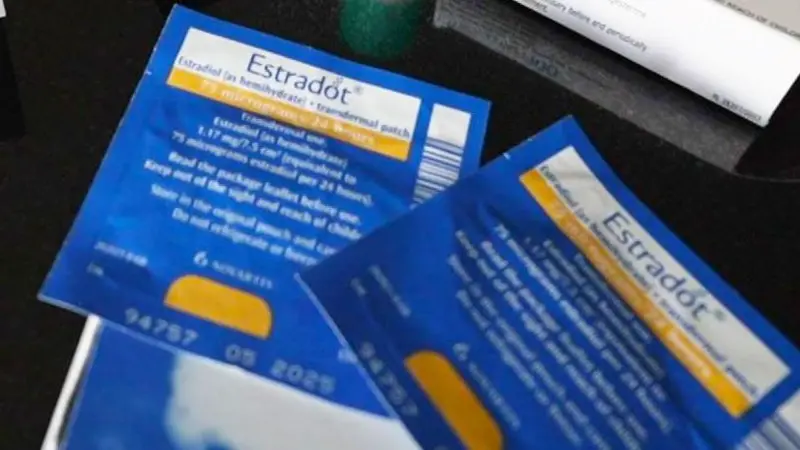
Women in the UK are again facing shortages of some HRT products, with warnings it could continue into the new year.
An announcement from the Department of Health and Social Care this week, confirmed the affected products include Estradot transdermal and FemSeven Conti, both of which are currently facing manufacturing or distribution delays.
FemSeven Conti patches are out of stock and there are also shortages of various Estradot patches.
FemSeven Conti patches contain estradiol – a type of oestrogen– and a synthetic progestogen called levonorgestrel. While Estradot is an oestrogen-only patch, containing estradiol.
While pharmacies are hopeful that FemSeven Conti patches will be back on shelves by the end of November, access to Estradot is expected to remain limited until January 2027.
This is not the first time there have been HRT shortages, and the supply issues affecting Estradot have been long-lasting. The shortages of some products began in December 2024, according to The NHS Business Services Authority (NHSBSA).
The DoH said it was aware of “supply disruptions” affecting some HRT medications across the UK, including ongoing issues with Estradot transdermal patches and a more recent disruption affecting FemSeven Conti patches.
“Communications have been issued to healthcare professionals regarding the products affected, including advice on suitable alternatives that remain available,” it said.
To try and minimise impact, the Department of Health has approved for Estradot to be put under serious shortage protocols (SSPs) until 8th January 2027.
This is an emergency regulatory measure that allows pharmacists to supply specified alternative medicines without needing to contact the original prescriber, where the patient has agreed.
“If patients cannot access their prescribed medication or have concerns about an alternative, they should speak to a healthcare professional for advice about their treatment options,” a DoH spokesperson added.
In the UK alone, there are over 70 different types of HRT products available – ranging from skin patches, sprays, gels, creams, pessaries, and intrauterine systems.
Experts emphasise that it’s crucial the government take action before women begin seeking out alternative solutions – potentially putting their health at risk in the process.
What to do if your HRT is in short supply
- Don’t stop your treatment. Keep using your current supply while you investigate options
- Order repeat prescriptions early, but avoid stockpiling, as this can make shortages worse
- Ask your pharmacist whether an SSP covers your product and what alternatives they can offer
- Talk to your clinician about switching to a similar product, such as another brand of patch or an estradiol gel – Absorption varies between products, so your dose may need adjusting.
- Don’t borrow from friends or buy online, as you may not get the right product