Self-testing Cervical screening launched by NHS
The NHS is now offering cervical cancer self-testing kits to millions of women for the first time.
The new at home self tests are designed to help women who are behind or have never attended their cervical screening appointment.
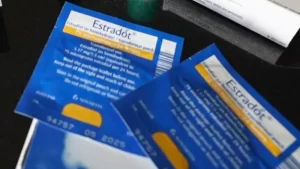
Anyone who is eligible will start receiving invitations from via the NHS App, text message, email or letter. Once you have received the invitation, you’ll be able to order a free self-testing kit through your NHS App or NHS online account. The kit will arrive in the post.
Each kit contains a swab, similar to a long cotton bud, which can be used to collect a sample from the vagina. The sample should then be posted back to the NHS for free, where it will be checked for high-risk HPV.
HPV is the name given to a common group of viruses spread through skin-to-skin contact during sex. While these viruses don’t cause any problems in most people, nearly all cases of cervical cancer are caused by a long-lasting infection with certain types of high-risk HPV.
If high-risk HPV is found, individuals will be invited to book a follow-up cervical screening appointment at their GP surgery or sexual health clinic, where a nurse or doctor will take a small sample from the cervix to check for cell changes.
The kits are aimed at people over 30 who have not attended cervical screening for six years or more, with health officials hoping they will help overcome barriers to testing and improve early detection of disease.
Announcing the scheme, Yvette Cooper, the government’s health and social care secretary, said: “Cervical cancer is preventable – but that’s why we want to make it as easy and convenient as possible for women to keep up with their screening.”
Dr Sue Mann, national clinical director for women’s health, said: “Offering millions of women an alternative test they can do from the comfort of their own homes will be a game-changer – making it easier than ever for them to get tested.
“There are lots of reasons that may stop women from getting their cervical screening – embarrassment, lack of time or worries about discomfort – and these kits provide a discreet and convenient option we hope will encourage more women to take up the life-saving test.”