
How Sophie Ellis-Bextor cut 7 years off her biological age
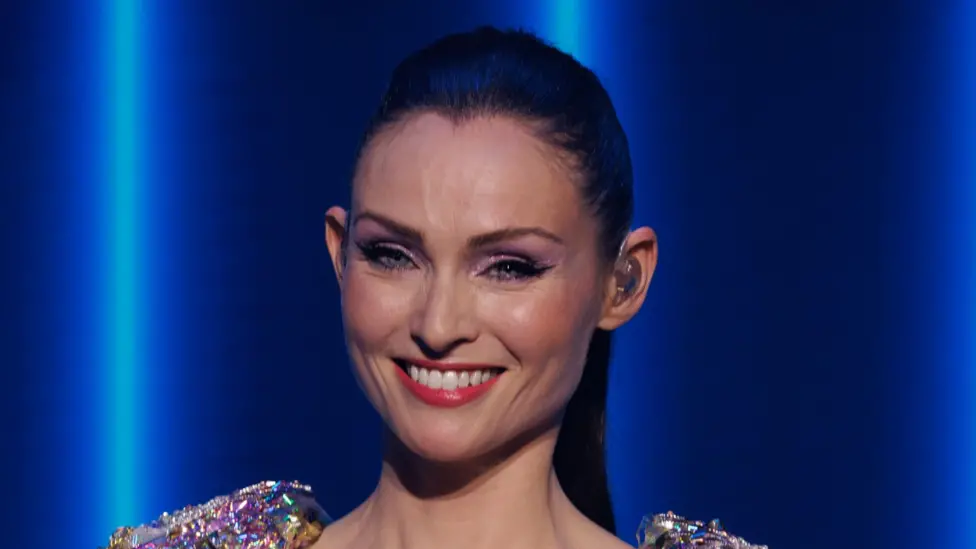
Singer and mother of five, Sophie Ellis-Bextor recently discovered her biological age is seven years younger than her chronological one on Katherine Ryan’s podcast What’s My Age Again?
Also known as your physiological age, biological age measures how fast your cells are ageing based on biomarkers. It’s influenced by lifestyle, genetics and environment, and can be a helpful predictor of overall longevity.
Because biological age – which does fluctuate – can be affected by stress and lack of sleep, 47-year-old Sophie told Katherine and scientist and longevity expert Dr Nichola Conlon that she thought she wouldn’t fare well on the test.
The test itself – a GlycanAge test in this case, which examines your body’s inflammation levels – something that can be impacted by stress factors, such as lack of sleep and stress. “I’ve definitely aged myself with lack of sleep,” Sophie told them. So the fact her biological age came back as seven years younger completely shocked her.
Despite her lack of sleep, Sophie was delighted to hear two of her existing daily habits played a huge role in her turning back time.
Dr Conlon highlighted how simple habits like walking, dancing and socialising plays a vital role in our biological age.
“I walk a lot,” said Sophie. “I always walk the school run and then walk back.”
“I try and get proper walks in every day because that is the best thing for my head.”
Indeed, a huge body of research has demonstrated the physiological and mental benefits of walking, with a recent study finding a daily 11-minute brisk walk to be sufficient in lowering the risk of diseases such as heart disease, stroke and a number of cancers.

“I think dancing is one of the most pleasurable things in life,”Sophie added. “I love dancing and it always makes me feel better.”
A recent study found that dance workouts rivalled both running and weight training for fat loss, adding to a growing body of research on the mental and physical benefits of regular dance.
Sophie explained that, living in a household that gets ‘excited about food’, she regularly cooks for her family. ‘I think I take a lot of pleasure from making myself something to eat, and I enjoy it – I don’t find it stressful,’ she said.
So, there’s a double health whammy at play here – healthy, nutritious food and time to destress.
‘I surround myself with good people,’ Sophie added. ‘That is actually the best thing in my life about helping me feel good about things,’ she said of her close, supportive network.
It’s something Dr Conlon highlighted is key to healthy ageing: ‘Social connectedness and not having any loneliness or isolation plays a massive role.’
According to the World Health Organisation’s Commission on Social Connection, loneliness is linked to an estimated 100 deaths every hour – more than 871,000 deaths annually. ‘Strong social connections can lead to better health and longer life,’ it said in its report.